Hurricanes in Pensacola: Should You Worry?
Hurricanes are the first concern most people raise when considering a move to Pensacola. It's a legitimate question — and it deserves a real answer that's neither dismissive ("don't worry about it!") nor alarmist ("you're going to die in a hurricane!").
The honest answer is somewhere in between: hurricanes are a real feature of Gulf Coast life that require preparation and awareness, but they're also a manageable risk that millions of people on the Gulf Coast navigate successfully every year.
Here's what you actually need to know.
Pensacola's Hurricane History
Let's start with facts rather than impressions.
Major storms that directly affected Pensacola in recent decades:
Hurricane Ivan (2004, Category 3): The most destructive storm to hit Pensacola in modern memory. Made landfall near Gulf Shores, Alabama, just west of Pensacola. Caused catastrophic storm surge flooding, destroyed the Escambia Bay Bridge, and produced widespread property damage across the metro. Recovery took years.
Hurricane Sally (2020, Category 2): Made landfall near Gulf Shores. Slow-moving storm that produced extraordinary rainfall and flooding throughout Pensacola — including significant flooding in areas that hadn't flooded in prior storms. Damaged the Three Mile Bridge and caused widespread flooding damage.
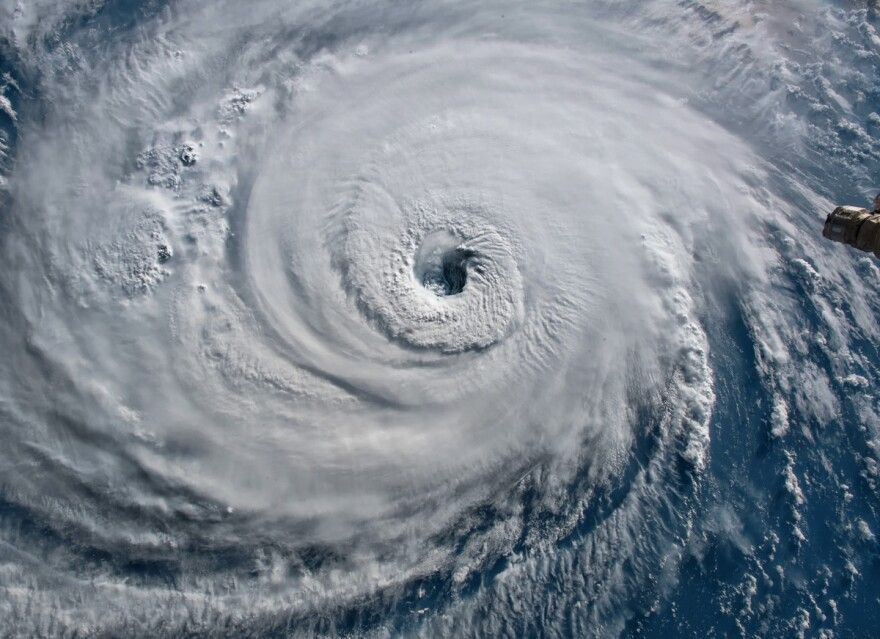
Between the big ones: Numerous tropical storms and weaker hurricanes have produced wind damage, flooding, and disruption — but not at the catastrophic level of Ivan or Sally.
The frequency reality: A major hurricane (Category 3+) making a direct hit on Pensacola is roughly a once-per-generation event. That doesn't make it inconsequential — once-per-generation still happens — but it provides context for the actual risk level.
The Risk Assessment: What "Living in a Hurricane Zone" Actually Means
Living in Pensacola means accepting a background risk that doesn't exist in inland cities. During any given hurricane season (June–November), there's a probability that a storm will threaten the area and require response.
What happens most years: Pensacola watches storms form in the Gulf, tracks their movements, prepares for possible impact, and watches them make landfall somewhere else or weaken. The community breathes a collective sigh of relief and moves on.
What happens occasionally: A storm threatens closely enough that evacuation or serious shelter-in-place preparation is required. This is disruptive, expensive (fuel, hotels, lost workdays), and stressful — even if the storm ultimately doesn't hit.
What happens rarely: A direct hit that produces significant damage, extended power outages, flooding, and a recovery period measured in weeks or months.
Evacuation Zones: Know Yours
Every Pensacola-area property is in one of Florida's hurricane evacuation zones (A through E), based on vulnerability to storm surge:
Zone A: Highest risk — barrier islands, immediate coastal areas. These evacuate first.
Zone B: High risk — areas just inland from Zone A, low-elevation coastal.
Zone C: Moderate risk — further inland but still potentially affected by major storms.
Zone D/E: Lower risk — further from the coast, elevation advantage.
Knowing your zone is the most important piece of hurricane preparation. Zone A properties (Pensacola Beach, coastal Perdido Key) evacuate for Category 1 and above. Zone C properties may only evacuate for Category 3+.
Look up your property's zone at myescambia.com or santarosa.fl.gov and know what it means for your evacuation triggers.
The Preparedness That Makes It Manageable
The residents who navigate hurricane season most calmly are those who have done their preparation before June 1 — and then can simply execute their plan rather than scrambling.
The annual preparedness checklist:
7-day supply of water (1 gallon/person/day)
Non-perishable food supply
Battery/hand-crank weather radio
Flashlights and extra batteries
First aid kit and any prescription medications (30-day supply if possible)
Important documents in waterproof container (or digital backup)
Generator with fuel (for extended power outages)
Storm shutters or plywood for openings
Known evacuation route and destination
Full gas tank from the first hint of a storm watch
When you have all of this in place, a storm watch doesn't produce panic — it produces a quick review of your existing preparation and a monitoring of the forecast.
What the Insurance Side Looks Like
Hurricanes affect homeowners not just through physical damage but through the insurance process. Key things Pensacola homeowners need to understand:
The hurricane deductible is a percentage, not a flat amount. Florida policies carry hurricane deductibles of 2–5% of the insured value. On a $400,000 insured home, a 2% hurricane deductible means $8,000 out of pocket before insurance pays a single dollar for hurricane damage.
Have that amount liquid. Every Pensacola homeowner should have their hurricane deductible amount sitting in an accessible savings account. This is the emergency fund that Gulf Coast homeownership specifically requires.
After a storm, demand can overwhelm contractor supply. Following a major hurricane, the wait for roofing contractors, tree removal, and restoration services is measured in weeks or months. Licensed, local contractors book out quickly. Unlicensed out-of-state contractors flood in and some are predatory. Verify credentials before hiring for post-storm repairs.
The Psychological Dimension
For people who've never lived in a hurricane zone, the first hurricane season can be genuinely anxiety-provoking. Watching tropical weather models, understanding storm tracks, and preparing for evacuation are all new skills that require time to develop comfort with.
Most people who've lived in Pensacola for 2–3 seasons describe a significant shift in their relationship with hurricane season. It doesn't become zero concern — but it normalizes into calm, practical preparedness rather than anxious monitoring. The community around you has been through it and provides a steady framework of experienced advice.
The honest acknowledgment: if living with a real (if low-probability) annual risk of hurricane disruption is genuinely incompatible with your personality or life situation, that's important information. Gulf Coast living isn't right for everyone, and hurricane exposure is a legitimate factor in that assessment.
Should You Worry?
Worry is rarely productive. Prepare, and then live your life.
The millions of people who live on the Gulf Coast — from Pensacola to Tampa to New Orleans — have made a considered decision that the extraordinary lifestyle, climate, and community here is worth the hurricane risk. The risk is real. It's also manageable with preparation, appropriate insurance, and the community knowledge that comes with living here for a season or two.
Pensacola isn't for everyone. But for people who've done their homework, prepared appropriately, and accepted the Gulf Coast bargain with open eyes — the hurricane risk is a background feature of an otherwise exceptional place to live.
Sean & Shaunda KillingsworthEngel & Völkers Pensacola 190 South Jefferson Street, Pensacola, FL 32502 📞 +1 850-332-2457 ✉️ killingsworthhomes@gmail.com 🌐 movingtopensacolabeach.com
If you're relocating to Northwest Florida, let's talk.
Categories
Recent Posts

Best Parks in Pensacola
Commute Times Around Pensacola
Public Transportation in Pensacola
Is Pensacola Walkable?
Does Pensacola Feel Crowded?
Alligators in Pensacola: Fact vs. Fiction
Bugs in Pensacola: How Bad Is It?
Cost of Utilities in Summer vs. Winter in Pensacola
Is Pensacola Good for Remote Workers?

Best Restaurants in Pensacola