Can You Live Comfortably in Pensacola on $75K?
$75,000 a year. For some people, that's a stretch goal. For others, it's a step down from what they're used to. Either way, it's one of the most common income benchmarks people use when they're trying to figure out if they can afford to move somewhere new.
So let's answer it directly: Yes, you can live comfortably in Pensacola on $75,000 a year. Not just survive — actually live well. But the details matter, and "comfortably" means different things to different people, so let's build the real picture.
First: What Does $75K Actually Mean After Taxes in Florida?
One of Florida's best features for residents is the complete absence of a state income tax. That means your $75,000 gross income is only reduced by federal taxes — not state taxes on top of them.
Estimated take-home pay on $75,000/year in Florida (single filer):
- Federal income tax: ~$10,300
- Social Security and Medicare (FICA): ~$5,738
- Estimated annual take-home: ~$58,962
- Monthly take-home: ~$4,913
If you're married filing jointly with a similar household income or have deductions (mortgage interest, retirement contributions, etc.), your take-home will be higher. But $4,900/month is a solid working baseline for this exercise.
Compare that to living in a state with income tax. In South Carolina (up to 6.5%), the same $75,000 gross would net roughly $4,500/month — about $400 less per month, or nearly $5,000 less per year. Florida's tax advantage is real money.
The $75K Monthly Budget: Two Scenarios
Let's run two honest budget scenarios — one for a renter and one for a homeowner — to show what $75K actually buys in Pensacola.
Scenario 1: Single Renter
| Expense | Monthly Amount |
|---|---|
| Rent (1BR apartment, decent area) | $1,450 |
| Utilities (electric, water, internet) | $220 |
| Groceries | $350 |
| Car payment (modest used vehicle) | $350 |
| Auto insurance | $180 |
| Gas | $120 |
| Health insurance (marketplace or employer) | $280 |
| Cell phone | $80 |
| Dining out / entertainment | $300 |
| Personal care / clothing | $100 |
| Subscriptions / misc | $75 |
| Total monthly expenses | $3,505 |
| Monthly surplus | ~$1,408 |
On $75K as a single renter in Pensacola, you have roughly $1,400/month left over after covering all your essentials and enjoying a real social life. That's money for savings, retirement contributions, travel, or simply the peace of mind of a growing financial cushion.
This is not a bare-bones existence. A $1,450/month one-bedroom in Pensacola is a comfortable, well-located apartment — not a compromise.
Scenario 2: Single Homeowner (Entry-Level Purchase)
Assume a $250,000 home purchase with 10% down ($25,000), financed at 6.75% over 30 years.
| Expense | Monthly Amount |
|---|---|
| Mortgage (P&I) | $1,461 |
| Property taxes (~1.1%) | $229 |
| Homeowners insurance | $250 |
| HOA (if applicable, estimated) | $75 |
| Utilities (electric, water, internet) | $250 |
| Groceries | $350 |
| Car payment (modest used vehicle) | $350 |
| Auto insurance | $180 |
| Gas | $120 |
| Health insurance | $280 |
| Cell phone | $80 |
| Dining out / entertainment | $300 |
| Personal care / clothing | $100 |
| Subscriptions / misc | $75 |
| Total monthly expenses | $4,100 |
| Monthly surplus | ~$813 |
As a homeowner on $75K, you're tighter — about $800/month surplus — but you're building equity in a real asset, taking advantage of Florida's homestead exemption, and living in a home you own at a payment that would be impossible in most coastal markets.
The $250,000 price point gets you a genuine 2–3 bedroom home in Pensacola. Not a shack. A real home with a yard.
What "Comfortable" Buys You at $75K in Pensacola
Let's make this concrete. Here's what life on $75K in Pensacola actually includes:
Housing: A comfortable 1–2 bedroom apartment in a safe, well-located neighborhood, or an entry-level home purchase with manageable payments.
Food: Grocery shopping without anxiety, dining out 2–3 times per week at locally-owned restaurants, and enjoying Pensacola's genuinely good food scene regularly. The Gulf seafood is exceptional and priced locally — not as a premium import.
Transportation: A reliable vehicle, gas for a reasonable commute, and no public transit dependency (which isn't an option here anyway).
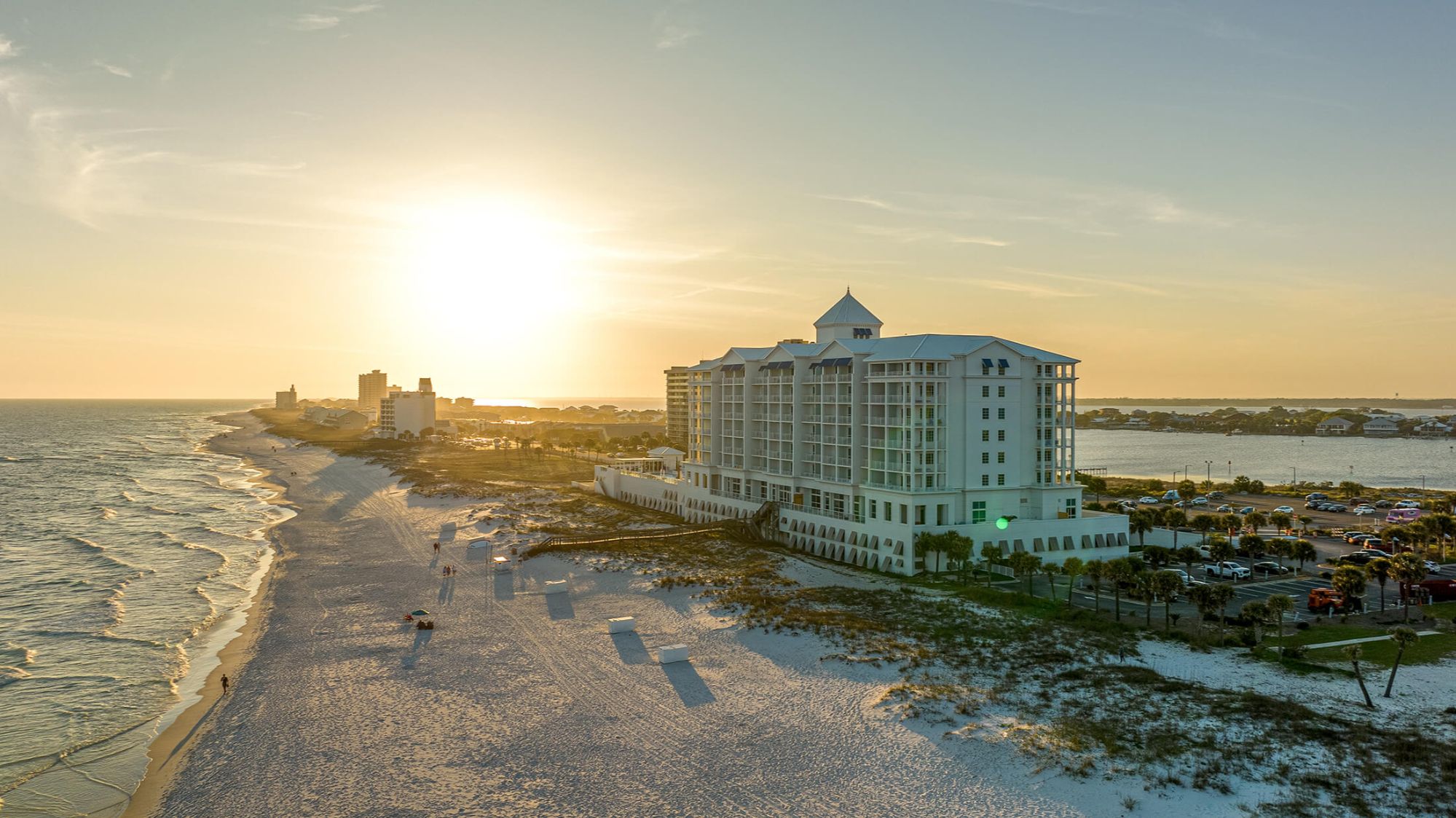
The beach: Free. This is one of Pensacola's most underappreciated financial features — one of the most beautiful beaches in the country is available to you at any time for the cost of a parking pass. You don't need to save up for it. You don't plan a vacation to it. It's just there.
State parks and outdoor recreation: A Florida State Parks annual pass runs about $120/year for a family — access to Big Lagoon, Blackwater River, and dozens of other parks throughout the state for essentially nothing. The outdoor lifestyle that costs nothing here would cost significantly more to access in other markets.
Social life: Pensacola's restaurant and bar scene is priced for locals, not tourists (except on peak summer weekends). A good dinner for two runs $60–$100 at a nice local spot. Happy hours are real. The social cost of living here is lower than comparable coastal cities.
Travel: With $800–$1,400/month in surplus, a deliberate saver can fund 1–2 meaningful trips per year without stress.
Retirement savings: On this budget, contributing 10% to a 401(k) or IRA is achievable — and the lower cost of living means your retirement dollars also go further when you eventually stop working.
Where $75K Gets Tight in Pensacola
Being honest means acknowledging where this income level feels the pressure:
Homeownership with children: Adding children to the picture changes the math significantly. Childcare costs ($700–$1,400/month per child) consume a large portion of any surplus. A two-parent household with one $75K income and a child in daycare will feel the squeeze.
Student loan debt: If you're carrying significant student loan payments, that reduces your surplus meaningfully and tightens the comfortable margins above.
Medical expenses: If you have ongoing healthcare needs beyond what a marketplace plan covers well, out-of-pocket costs can strain a $75K budget. Health insurance quality and coverage matters here.
The "new homeowner" first year: The first year of homeownership almost always involves unexpected expenses — appliances, repairs, landscaping, setup costs. A financial buffer of 3–6 months of expenses is important for anyone buying a home at this income level.
Lifestyle creep: Pensacola has enough dining, recreation, and social options that it's easy to spend more than planned if you're not intentional. The $75K budget above works because it's deliberate — not because there's nothing to spend money on.
How $75K in Pensacola Compares to Other Cities
This is where the picture becomes really compelling. Let's look at what $75K produces in other coastal or Sun Belt cities:
| City | Monthly Take-Home (est.) | Avg 1BR Rent | Monthly Surplus After Rent |
|---|---|---|---|
| Pensacola, FL | $4,913 | $1,450 | $3,463 |
| Jacksonville, FL | $4,913 | $1,700 | $3,213 |
| Tampa, FL | $4,913 | $2,100 | $2,813 |
| Charleston, SC | $4,513 | $2,200 | $2,313 |
| Austin, TX | $4,713 | $1,900 | $2,813 |
| Denver, CO | $4,513 | $2,100 | $2,413 |
| Miami, FL | $4,913 | $3,200 | $1,713 |
| San Diego, CA | $4,163 | $3,100 | $1,063 |
In San Diego, $75K leaves you with barely $1,000/month after rent before any other expense. In Pensacola, you have nearly $3,500. The financial quality of life difference is not subtle.
What If You're a Couple on $75K Combined?
Two people sharing a household on a combined $75,000 is a tighter scenario — but still workable in Pensacola in a way that simply wouldn't function in most coastal cities.
Combined take-home (married filing jointly): ~$61,500/year → ~$5,125/month
| Expense | Monthly Amount |
|---|---|
| Rent (2BR apartment) | $1,700 |
| Utilities | $280 |
| Groceries | $600 |
| Two vehicles (payments, insurance, gas) | $900 |
| Health insurance (couples) | $500 |
| Cell phones (2) | $140 |
| Dining / entertainment | $400 |
| Personal care / clothing | $150 |
| Subscriptions / misc | $100 |
| Total | $4,770 |
| Monthly surplus | ~$355 |
A combined $75K couple in Pensacola has modest surplus — enough to save slowly and cover occasional extras, but not much cushion. This is the tighter end of comfortable. It works because Pensacola's costs are genuinely low — the same couple in Tampa or Charleston would be running a deficit.
The path to more breathing room: one or both partners increasing income (Pensacola's job market has room to grow wages in healthcare, defense contracting, and skilled trades), or finding remote work that benchmarks salary to a higher-cost market while living on Pensacola's cost structure.
The Honest Bottom Line
Can you live comfortably in Pensacola on $75,000 a year?
As a single person — yes, genuinely and meaningfully comfortably, with real surplus to save and enjoy.
As a single homeowner — yes, with discipline and a reasonable down payment.
As a couple combining to $75K — workable, but tighter. Comfortable in the sense that the essentials are covered and life is enjoyable, but with limited financial cushion.
As a family with children — more challenging. A $75K household income with children requires careful budgeting and benefits significantly from a partner returning to work as children age out of expensive childcare.
In every scenario, Pensacola performs better than virtually every comparable coastal city in the country at this income level. The combination of no state income tax, genuinely affordable housing, and free world-class beach access creates a financial quality of life that $75K simply cannot replicate anywhere else on the Gulf or Atlantic coast.
Want to Know Exactly What Your Income Buys in Pensacola?
Every budget is different. Sean and Shaunda Killingsworth are happy to walk through what your specific income and circumstances look like in the Pensacola market — what you can afford, what neighborhoods fit your budget, and whether buying or renting makes more sense for your situation.
Sean & Shaunda Killingsworth
Engel & Völkers Pensacola
190 South Jefferson Street, Pensacola, FL 32502
📞 +1 850-332-2457
✉️ killingsworthhomes@gmail.com
🌐 movingtopensacolabeach.com
If you're relocating to Northwest Florida, let's talk.
Categories
Recent Posts