Pensacola Florida Lifestyle: What Daily Life Is Really Like
Lifestyle is the word people use when they mean something bigger than amenities and cost of living. It's the texture of daily life — how mornings feel, how weekends unfold, how a community shows up for itself, and whether the place you live actually supports the kind of person you want to be.
Pensacola has a lifestyle. A specific one. Not for everyone — but deeply right for a particular kind of person. This post is an honest portrait of what that lifestyle looks and feels like day to day, season to season, and year to year.
The Foundation: Life Oriented Around the Outdoors
Everything about the Pensacola lifestyle flows from its relationship to the natural world. The Gulf of Mexico, the bay, the rivers, the state forests, the beaches — these aren't amenities that residents occasionally visit. They're the backdrop against which daily life is lived.
This orientation happens gradually and then completely. Within a few months of living here, most residents find that their default weekend activity is something outside and on or near the water. A kayak trip on the Blackwater River. An early morning surf fishing session. A Saturday paddleboard on the bay. A Sunday afternoon at the beach with a book and nowhere to be.
The outdoor infrastructure here is extraordinary and largely free. Launch a kayak from Navy Point. Fish from Fort Pickens at sunrise. Walk the nature trail at Big Lagoon State Park on a Tuesday evening. None of this requires planning, expense, or special equipment — just the decision to go.
People who describe themselves as "not really outdoorsy" before moving to Pensacola routinely discover they were simply living somewhere that made outdoor life inconvenient. Here, it's the path of least resistance.
A Morning in Pensacola
The best mornings in Pensacola have a particular quality that regular residents come to treasure.
Early morning — before 8am in summer, before 9am year-round — is the magic window. The air is relatively cool, the light is golden, and the city is quiet. Runners and cyclists own the streets. The beach at 7am on a weekday is essentially private — wide, clean, and empty in a way that feels like a secret.
People who work remotely often structure their mornings around this window deliberately. Coffee at the beach before logging on. A kayak paddle before the first meeting. A run through East Hill's historic streets while the neighborhood is still waking up. Then work, then the rest of the day — but already having spent time in a place that most people take vacations to reach.
This is not an idealized version of Pensacola mornings. Ask any remote worker who lives here. The morning is one of the things they protect most fiercely about their schedule.
Work and the Remote Work Revolution
Pensacola's lifestyle is increasingly shaped by the large and growing community of remote workers who moved here specifically to live this way. The impact is visible throughout the city — in the coffee shops, the coworking spaces, the restaurant lunch crowds, the marina parking lots on a Tuesday afternoon.
Remote workers here are living a specific version of the Pensacola lifestyle: earning incomes benchmarked to high-cost markets while spending them in a city where housing costs half as much and the beach is free. The financial result is dramatic. The lifestyle result is equally so — people who were working 60-hour weeks in expensive cities to afford a modest apartment find themselves working the same hours in a beach city with a paid-off home and money left over.
The coworking and coffee shop scene has grown to support this community. Downtown Pensacola has several excellent coffee shops with strong WiFi and the kind of atmosphere that makes a three-hour work session feel like time well spent. The creative professional community that has formed around remote work has added a cultural layer to the city that didn't exist a decade ago.
For people who don't work remotely, Pensacola's major employment sectors — military, healthcare, defense contracting — have their own lifestyle rhythms. The military community in particular brings a shared culture of early schedules, physical fitness, and community involvement that shapes neighborhood life throughout the metro.
The Beach Culture: Residents vs. Tourists
One of the things that takes new residents the longest to fully appreciate is how different their relationship to Pensacola Beach becomes once they live here year-round.
Tourists experience the beach as a destination — planned, anticipated, peak-season, crowded. Residents experience it as a neighborhood amenity — casual, flexible, available whenever, best during the off-season when the tourists have gone.
The resident's beach calendar looks like this:
- October through May: Near-perfect. Quiet. Yours. Drive over, find parking immediately, walk as far as you want without encountering crowds.
- June through September: Still stunning, but requires timing. Weekday mornings are glorious. Weekend afternoons are tourist season. Locals learn to go early or late, or head to the quieter stretches further from the main beach access points.
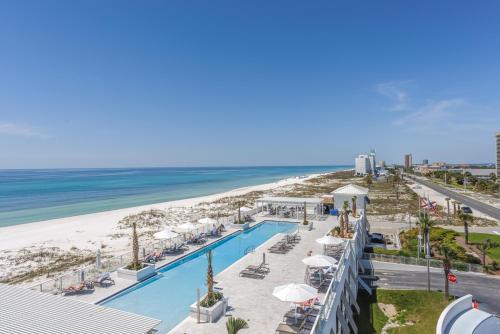
The specific stretch of Gulf Islands National Seashore that extends along Santa Rosa Island is one of the most pristine and protected beach environments in the country. Walking it in October, with the preserved dunes behind you and the emerald Gulf in front, is the kind of experience that validates the relocation decision on a cellular level.
Many residents develop a specific relationship with a particular stretch of beach — their spot, their time of day, their ritual. The beach becomes personal in a way that it never can be for people who visit.
Food and Dining Culture
Pensacola's food culture is Gulf-Coast Southern with genuine culinary ambition layered on top.
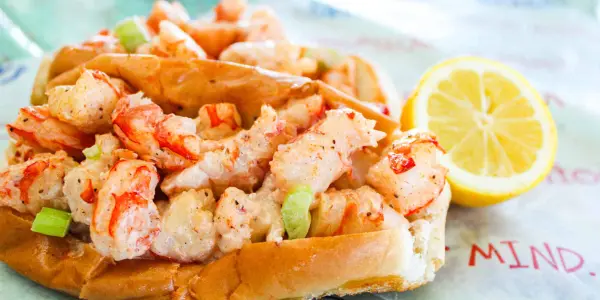
The seafood culture is the foundation. Fresh Gulf grouper, local shrimp, Apalachicola oysters, triggerfish, amberjack — this is food that arrives from the water nearby, priced accordingly, and prepared by local restaurants with long experience serving it. Fried, grilled, blackened, on tacos, in a sandwich — the variety is deep and the quality is genuinely high.
Beyond seafood, downtown Pensacola's restaurant community has developed into something real. Locally-owned restaurants serving creative cuisine — Southern-inspired, international-influenced, ingredient-driven — occupy the Palafox Street corridor and the surrounding blocks. These are places that would hold their own in any food city. They're supported by a local customer base that knows the difference and shows up for quality.
The farmers market culture is active. The Palafox Market on Saturday mornings is a genuine community gathering — local produce, prepared foods, artisans, and the particular energy of a city that knows how to spend a Saturday morning well. It's a place where you run into your neighbors, discover new producers, and remember why local food culture matters.
The dining pace here is slower than a major city. Reservations are less fraught. Service is warmer. The experience of going out to eat in Pensacola tends to be enjoyable in a low-stress way that people from high-pressure urban dining scenes find quietly revelatory.
Community and Social Life
Pensacola has a social fabric that takes some new residents by surprise — particularly those who've come from larger, more transient cities.
People here join things. Church communities are large and active across denominations. Neighborhood associations are functional and engaged. Youth sports leagues have strong parent involvement. Service organizations — Rotary, Kiwanis, volunteer organizations — have real membership and real activity. The local arts community has galleries, performances, and events that draw consistent audiences.
The military community adds a specific social layer that permeates much of the city. People who are used to building community quickly — because they've been the new person many times — model a kind of social proactivity that influences the broader culture. New arrivals in military-adjacent neighborhoods often find themselves invited to things within their first month in ways that residents of major metros could go years without experiencing.
Downtown Palafox Street on a Friday or Saturday evening is the city at its most socially alive. Restaurants are full, the outdoor bars have live music, people run into people they know, and the energy is warm rather than frenetic. It's the kind of downtown that makes you proud to live in the city — not because it's trying to be something it isn't, but because it's genuinely what it is.
Sports, Fitness, and Recreation
Pensacola's outdoor focus naturally creates a fitness culture. Morning runners and cyclists are everywhere in the cooler months. The fitness infrastructure — gyms, yoga studios, CrossFit boxes, cycling studios — is solid for a city of this size.
The water creates its own fitness culture. Paddleboarding, kayaking, open-water swimming, sailing, kite surfing — these are active pursuits that people here do regularly rather than occasionally. The combination of accessible water and mild weather most of the year makes staying active easy in a way that feels natural rather than disciplined.
Golf is well-represented — multiple courses at accessible price points serve the large retiree and military populations. Tennis and pickleball communities are active and growing. The parks system has facilities for most recreational sports.
For spectator sports, Pensacola has the Blue Wahoos (minor league baseball) — a beloved local team with a beautiful waterfront stadium that has been repeatedly recognized as one of the best minor league venues in the country. Games at Blue Wahoos Stadium on a warm evening, with the bay behind the outfield wall and the city skyline in the background, are one of Pensacola's genuine lifestyle pleasures.
Arts, Culture, and Entertainment
Pensacola's arts scene is more robust than most people expect for a city its size, and it's been growing steadily with the city's demographic evolution.
The Saenger Theatre anchors the performing arts scene — a beautifully restored historic theater that hosts Broadway touring productions, concerts, ballet, and community performances throughout the year.
The Pensacola Museum of Art and the Pensacola Museum of History offer cultural anchoring for people who want to understand the place they've moved to. Pensacola's history — as the oldest European settlement in the continental United States, as a naval center, as a Gulf Coast community with layered cultural influences — is genuinely interesting and well-documented.
The National Naval Aviation Museum is one of the genuine hidden gems of American cultural institutions. Free admission. An extraordinary collection. One of the most impressive aviation museums anywhere in the world — and it's right here, as a regular Tuesday option for residents.
The creative community has grown meaningfully with the influx of remote workers and the general evolution of downtown. Art galleries, maker spaces, music venues, and the general creative energy of a city in a positive moment of development have added texture to the cultural calendar.
The Pensacola Pace
Every city has a pace — the speed at which daily life moves, demands are made, and time passes. Pensacola's pace is slower than most American cities of comparable economic activity. This is not a liability. For most of the people who move here, it's one of the primary attractions.
The specific manifestations:
- Traffic that is genuinely light outside of bridge chokepoints and peak times
- Restaurant service that is warm and unhurried
- A general social culture that prioritizes conversation over efficiency
- Workdays — for people with flexible schedules — that can include a beach walk or a fishing trip without anyone raising an eyebrow
- Evenings that feel long enough to actually do something
The pace creates space. Space for relationships, for recreation, for the kind of unstructured time that people say they want but rarely have in faster-moving cities. Pensacola residents talk about having more time here than they've had at any point since childhood — not because they work less, but because the infrastructure of daily life consumes less of it.
Who the Pensacola Lifestyle Is Built For
After everything above, here's the honest profile of the person for whom the Pensacola lifestyle is genuinely, deeply right:
- Someone who values being outside and near water more than they value urban density
- Someone who wants genuine community rather than the anonymity of a big city
- Someone whose financial picture benefits from — or requires — a lower cost of living
- Someone who is comfortable with a slower pace and can find satisfaction in a quieter rhythm
- Someone willing to adapt their outdoor schedule to summer heat rather than fight it
- Someone who meets a place on its own terms rather than constantly comparing it to somewhere else
This is not a small group. It's a large and growing community of people — remote workers, retirees, military families, young professionals, families with children — who are discovering that the life they've been trying to build is more achievable here than anywhere else they've looked.
Come Experience It for Yourself
The best way to understand the Pensacola lifestyle is to live it — even for a few days. But if you're ready to explore whether this is where your life belongs, Sean and Shaunda Killingsworth are here to help you find your place in it.
Sean & Shaunda Killingsworth
Engel & Völkers Pensacola
190 South Jefferson Street, Pensacola, FL 32502
📞 +1 850-332-2457
✉️ killingsworthhomes@gmail.com
🌐 movingtopensacolabeach.com
If you're relocating to Northwest Florida, let's talk.
Categories
Recent Posts