Pros and Cons of Living in Pensacola Florida
If you're researching a move to Pensacola, Florida, you deserve a straight answer — not a sales pitch. Every city has its strengths and its frustrations, and Pensacola is no different.
After helping dozens of families, retirees, military members, and remote workers relocate to the Pensacola area, we've heard it all — what people love immediately, what surprises them, and what occasionally drives them crazy. This post is the honest version of that conversation.
Let's go through the real pros and cons of living in Pensacola, Florida in 2026.
THE PROS
1. The Beach Is Genuinely World-Class
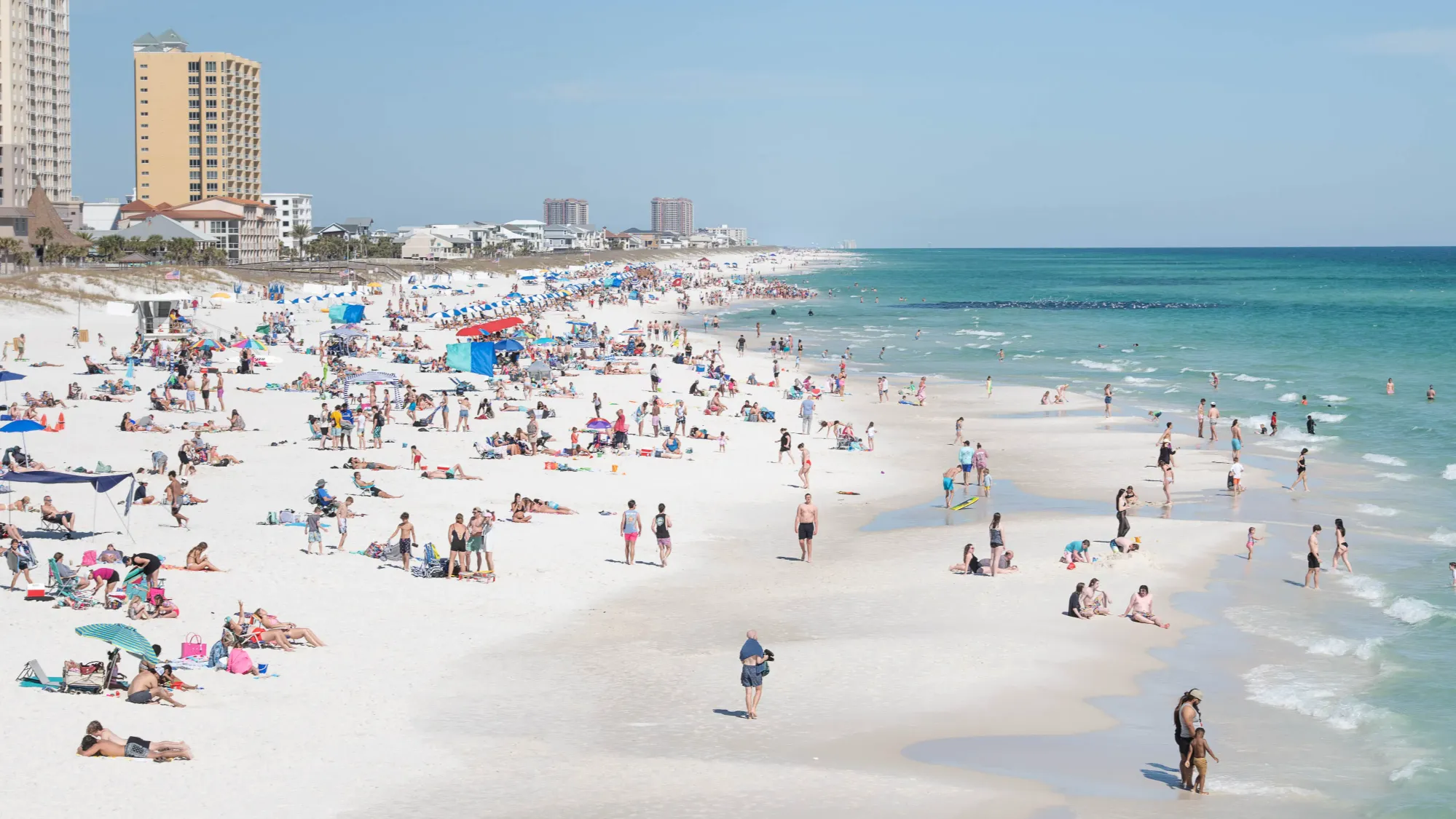
This isn't marketing language. Pensacola Beach consistently ranks among the top beaches in the United States — and for good reason. The sand is powdery white quartz, the water is emerald green and clear, and the Gulf here is calm enough for families and dramatic enough to be stunning.
The difference between visiting a great beach and living near one is hard to overstate. When the beach is 20 minutes away on a Tuesday afternoon, your relationship with life changes. Locals swim in October. They catch sunsets in January. They kayak on the bay on a Wednesday morning. This kind of access is a genuine quality-of-life upgrade that doesn't wear off.
2. Cost of Living Is Low for a Coastal City
We covered this in depth in our [Cost of Living post], but the short version: Pensacola gives you coastal Florida living at a price point that most comparable beach cities can't touch. Housing is affordable relative to the market, Florida has no state income tax, and everyday expenses are at or below the national average.
For remote workers, retirees on fixed incomes, or military families stretched across a relocation, this matters enormously.
3. Strong Military Community and Infrastructure
NAS Pensacola is one of the most historically significant naval installations in the country — and one of the largest employers in the region. The military presence here creates a community that is welcoming to service members and their families, with robust infrastructure: commissary access, VA services, military-connected neighborhoods and schools, and a culture that understands the rhythm of military life.
If you're PCSing here or retiring in the area, you're coming to a city that knows how to take care of its military community.
4. Four Seasons — Without a Real Winter
Pensacola has genuine seasonal variation without the misery of a northern winter. Autumn is long, golden, and perfect. Winters are mild — temperatures regularly stay in the 50s and 60s, and freezing temperatures are rare and brief. Spring arrives early. You get the psychological satisfaction of seasons without scraping ice off your windshield or shoveling snow.
For people escaping the Midwest, Northeast, or Mountain West, this alone is often the deciding factor.
5. Outdoor Recreation Is Exceptional
Beach aside, the Pensacola area offers an extraordinary range of outdoor activities:
- World-class fishing — surf, bay, and offshore
- Kayaking and canoeing on the Blackwater River and surrounding waterways
- Hiking and camping throughout the state forest system
- Sailing, paddleboarding, and water sports year-round
- Bird watching, with remarkable migratory species throughout the year
If your lifestyle centers on being outside, Pensacola is set up to support it in ways that go well beyond what most people expect from a mid-sized city.
6. A Real Downtown With Local Character
Pensacola's downtown — centered on Palafox Street — has developed into a genuinely vibrant neighborhood over the past decade. Locally-owned restaurants, craft cocktail bars, live music venues, a farmers market, art galleries, and a growing creative class have given downtown Pensacola a character that feels earned, not manufactured.
This is a downtown that locals actually use and take pride in — not a strip of chain restaurants kept alive by tourist traffic.
7. Friendly, Community-Oriented Culture
Pensacola has a strong sense of local identity and a culture of neighborliness that people from larger, more transient cities often find surprising and refreshing. People introduce themselves. Neighbors know each other. There's a genuine sense of community that shows up in everyday interactions.
This isn't small-town naivety — it's a mid-sized city that has retained something that most larger metros have lost.
8. Growing Economy With Diverse Opportunities
Pensacola's economy has diversified meaningfully. Beyond the military anchor, the healthcare sector is large and growing, the University of West Florida generates tech and research activity, and the region has attracted remote workers and entrepreneurs who are building businesses here. The economic trajectory is positive heading into 2026.
9. No State Income Tax
Florida's lack of a state income tax is a real financial benefit — particularly for higher earners and retirees with investment income. Depending on where you're coming from, this can represent thousands of dollars in annual savings.
10. Gateway to the Emerald Coast
Living in Pensacola puts you within easy driving distance of some of the most beautiful coastline in the country. Navarre Beach, Destin, 30A, Fort Walton Beach, Panama City Beach — all accessible for day trips or weekend escapes. You're not just getting Pensacola's beach; you're getting a 100-mile stretch of Gulf Coast in your backyard.
THE CONS
1. Homeowners Insurance Is Expensive and Complicated
Florida's insurance market is genuinely difficult right now. Premiums are high, several major carriers have pulled out of the state, and coastal and near-coastal properties carry significant insurance costs. Flood insurance is often a separate, additional policy.
This is the number one financial surprise for people relocating to Pensacola. A home that seems perfectly affordable on paper can become strained when you factor in $300–$500/month in homeowners and flood insurance. Do your insurance homework before you fall in love with a property.
2. Hurricane Season Is Real
Living on the Gulf Coast means living with hurricane season — June through November, every year. Pensacola has taken direct hits before (Ivan in 2004, Sally in 2020), and residents take preparation seriously.
This doesn't mean constant anxiety — most years pass without a direct hit, and locals develop a matter-of-fact preparedness mindset. But it does mean having a plan, maintaining supplies, and being mentally ready to evacuate when conditions require it. If that level of weather risk is genuinely unacceptable to you, the Gulf Coast may not be the right fit.
3. Summers Are Hot and Humid
There's no softening this one. Pensacola summers — roughly June through September — are aggressively hot and humid. We're talking temperatures in the low-to-mid 90s with humidity that pushes feels-like readings above 100°F. Outdoor activities during peak afternoon hours become genuinely uncomfortable.
Most locals adapt by shifting their outdoor time to mornings and evenings, and the heat does pass. But if you're coming from a cooler climate, give yourself a full summer before forming a permanent opinion. The first one is always the hardest.
4. Limited Public Transportation
Pensacola is a car-dependent city. The public bus system exists but is limited in reach and frequency, and there's no rail or subway infrastructure. If you don't drive or prefer not to own a car, daily life in Pensacola will be genuinely difficult.
For most people this is a non-issue, but it's worth naming honestly — especially for anyone coming from a walkable urban environment.
5. The Job Market Has Limits
If you need a large, diversified private-sector job market, Pensacola has real constraints. The economy is heavily weighted toward military, healthcare, and government — which are stable but not broad. Certain industries and career tracks have very limited local presence.
Remote work has made this less of a dealbreaker for many people, but if you're relocating without a job in hand and not in healthcare or military contracting, research your specific field carefully before committing.
6. Traffic on the Bridges
The bridges connecting Pensacola to Gulf Breeze, Pensacola Beach, and the surrounding areas are genuine chokepoints during peak times. Summer beach traffic and daily commute patterns can make bridge crossings frustrating, especially on weekends from May through August.
If you live or work on opposite sides of a bridge, factor real commute times into your housing decision.
7. Dining and Entertainment Options Are Limited Compared to Major Metros
Pensacola's food scene is genuinely good — but it's a mid-sized city, and the options reflect that. The variety of cuisines, the density of cultural offerings, and the depth of the entertainment calendar don't compare to Tampa, Atlanta, or any major metro.
People who are accustomed to having 50 restaurant options within a mile will notice the difference. People who are happy to find 10 great local spots and rotate through them won't miss a beat.
8. Some Areas Are Showing Growing Pains
Pensacola's growth has been rapid enough that infrastructure in some areas — roads, utilities, traffic patterns — is catching up rather than staying ahead. Certain suburban corridors feel congested in ways that didn't exist five years ago. This is a normal feature of a growing city, but it's worth acknowledging.
9. Limited Walkability
Outside of a few pockets — downtown Pensacola, parts of East Hill — the city is not walkable in the way that some people prefer. Errands, dining, and recreation typically require a car. For people who have built their lifestyle around walkable neighborhoods, Pensacola requires an adjustment.
10. Florida's Political and Policy Climate
Florida has taken a distinct political direction over the past several years, with state-level policies on issues including education, healthcare, and social policy that generate strong feelings on both sides. This is worth acknowledging as a factor in your relocation decision, regardless of your own views. Some people relocate to Florida specifically because of its political direction; others find certain policies difficult to navigate. Research where Florida stands on issues that matter most to your family before you commit.
The Honest Summary
Pensacola is an exceptional place to live for the right person — and a genuine mismatch for others. The key is being honest with yourself about which camp you fall into before you make the move.
If you value outdoor access, community, affordability, a mild climate, and a pace of life that leaves room for actually living — Pensacola delivers. If you need urban density, a wide-open job market, and year-round cool temperatures, it will frustrate you.
Most people who give it a real chance — especially those who arrive with an open mind and some patience for the summer heat — end up staying. That's not an accident.
Still Weighing the Decision?
Sean and Shaunda Killingsworth work with relocating buyers and renters every day. If you want to talk through whether Pensacola is the right fit for your specific situation — your income, your lifestyle, your family's needs — we're happy to have that honest conversation.
We'd rather help you make the right decision than make a sale that doesn't serve you.
Sean & Shaunda Killingsworth
Engel & Völkers Pensacola
190 South Jefferson Street, Pensacola, FL 32502
📞 +1 850-332-2457
✉️ killingsworthhomes@gmail.com
🌐 movingtopensacolabeach.com
If you're relocating to Northwest Florida, let's talk.
Categories
Recent Posts