What's It Like Living in Pensacola Year-Round?
There's a difference between visiting Pensacola and living here. Visitors see the beach on a beautiful June afternoon, eat at a great restaurant on Palafox Street, and leave thinking "I could live here." And they're right — but the full picture of year-round life is richer, more layered, and more honest than a long weekend can reveal.
This post is for people who want to know what daily life in Pensacola actually looks and feels like across all four seasons — the rhythms, the routines, the unexpected pleasures, and the genuine adjustments. Not the tourist version. The real one.
The Rhythm of the Year
Living in Pensacola means living in sync with a set of seasonal rhythms that are distinct from anywhere else in the country. Once you understand them, life here makes a particular kind of sense.
Fall and Winter: The Local's Season
October through March is when Pensacola belongs to the people who actually live here. The tourists are gone. The beaches are quiet. The restaurants have their regular customers back. The pace slows in a way that feels earned — like the city exhales after a long, busy summer.
This is the season that newcomers from cold-weather states experience as a revelation. While their former neighbors are shoveling snow, Pensacola residents are eating dinner on outdoor patios in November and walking the beach on Christmas morning in light layers. The psychological impact of this — especially in that first year — is hard to overstate.
The winter farmers market, downtown events, and neighborhood gatherings fill the calendar with low-key community life. Youth sports leagues are in full swing. Local restaurants are at their best — unhurried, staffed well, and full of familiar faces rather than tourists.
For the majority of the year, this is the version of Pensacola that locals love most deeply. If you ask longtime residents what they'd miss most about living here, it's usually this — the quiet season when the city feels like theirs.
Spring: The City Wakes Up
March and April bring the gradual reawakening. The weather is spectacular — warm, low-humidity, flower-blooming perfection. Spring breakers arrive in waves, and the beach scene starts to build. Downtown gets busier. The energy picks up.
Spring is when new residents — those who arrived over the fall and winter — often have their first "I made the right call" moment. They've had a gentle on-ramp into the community through the quiet season, and now they're watching their new city come alive in a way that's genuinely exciting.
Pensacola's spring events calendar fills up: the Pensacola Crawfish Festival, Palafox Market, beach festivals, and community events that fill weekends with genuine options.
Summer: Loud, Beautiful, and Intense
Summer is the season that defines Pensacola's identity to the outside world — and the season that requires the most adjustment for new residents.
The beach is spectacular from June through September. The Gulf water is warm, clear, and at its most inviting. Pensacola Beach is alive — packed on weekends, full of energy, fireworks over the water on July 4th, seafood festivals, concerts, and the full spectacle of a beloved American beach destination.
But living through summer is different from visiting during it.
The heat is real. By 10am in July, outdoor physical activity becomes genuinely uncomfortable. Locals learn to structure their days differently — early morning runs, beach visits at 7am or after 5pm, midday hours spent in air conditioning. It's not a hardship, but it's a genuine lifestyle adjustment for people who are used to being outside whenever they want.
The tourist traffic is real. The bridges back up. Certain restaurants have hour-long waits on Saturday nights. Parking at the beach is competitive. Locals who've lived here a while develop strategies — favorite spots and timing windows that let them enjoy summer without fighting the crowds. New residents spend their first summer learning those strategies.
The thunderstorms are spectacular. Almost every afternoon in summer, the heat builds into dramatic Gulf Coast storms — towering anvil clouds, lightning over the water, intense rain that lasts 30–60 minutes and then clears to a beautiful golden evening. Locals barely blink at them. New residents find them extraordinary.
Air conditioning runs constantly. Electric bills in July and August reflect this reality. Budget for it.
The community still exists underneath the tourist season. One thing that surprises many new residents is how much of normal community life continues through summer. The farmers market still runs. The local coffee shops still have their regulars. Church communities, youth sports, neighborhood life — these continue on their rhythms regardless of beach traffic.
What Daily Life Looks Like Week to Week
A Typical Fall or Winter Weekday
6:30am: Out for a walk or run. 65 degrees, clear sky, nobody else out yet. The neighborhoods are quiet and beautiful in the early morning light.
Morning: Work. If you're remote, your home office has become the best version of itself — no commute, no office politics, and you can see blue sky out the window.
Lunch: Pick up something from a local spot. In winter, the best restaurant seats are always available.
Afternoon: Back to work. Maybe a quick errand or two. Traffic is light.
Evening: Dinner out at one of a dozen locally-owned spots within 15 minutes. Or cook at home — the seafood at local markets is extraordinary. A walk after dinner while it's still light.
Weekend: Saturday morning at the farmers market. Afternoon on the water — kayaking, fishing, a beach walk. Sunday at a local coffee shop or a long bike ride through the neighborhood.
This is not an idealized version. This is what people actually describe when you ask them what their life looks like here.
A Typical Summer Weekday
6:00am: Out early, before the heat builds. A run, a paddle, a beach walk — all of it happens in this window.
Morning: Work. AC running. The view out the window is gorgeous even on the hottest days.
Lunch: Eat in or pick up. It's 93 degrees at noon. Nobody is voluntarily outside.
Afternoon: Work continues. Maybe a brief errand to somewhere air-conditioned. The afternoon thunderstorm arrives around 3–4pm, dramatic and brief.
Evening: The heat breaks somewhat after 6pm. Dinner on an outdoor patio if there's a breeze. The Gulf at 7pm in July is one of the most beautiful things you'll ever see.
Weekend: Early morning beach visit before it gets crowded and hot. Back home by 11am. Afternoon at home or somewhere cool. Back out in the evening — the island at sunset in summer is spectacular.
Summer has its own rhythm. It's not unlivable. It just requires intentionality.
The Things That Become Part of Your Regular Life
The Beach Becomes Normal — In the Best Way
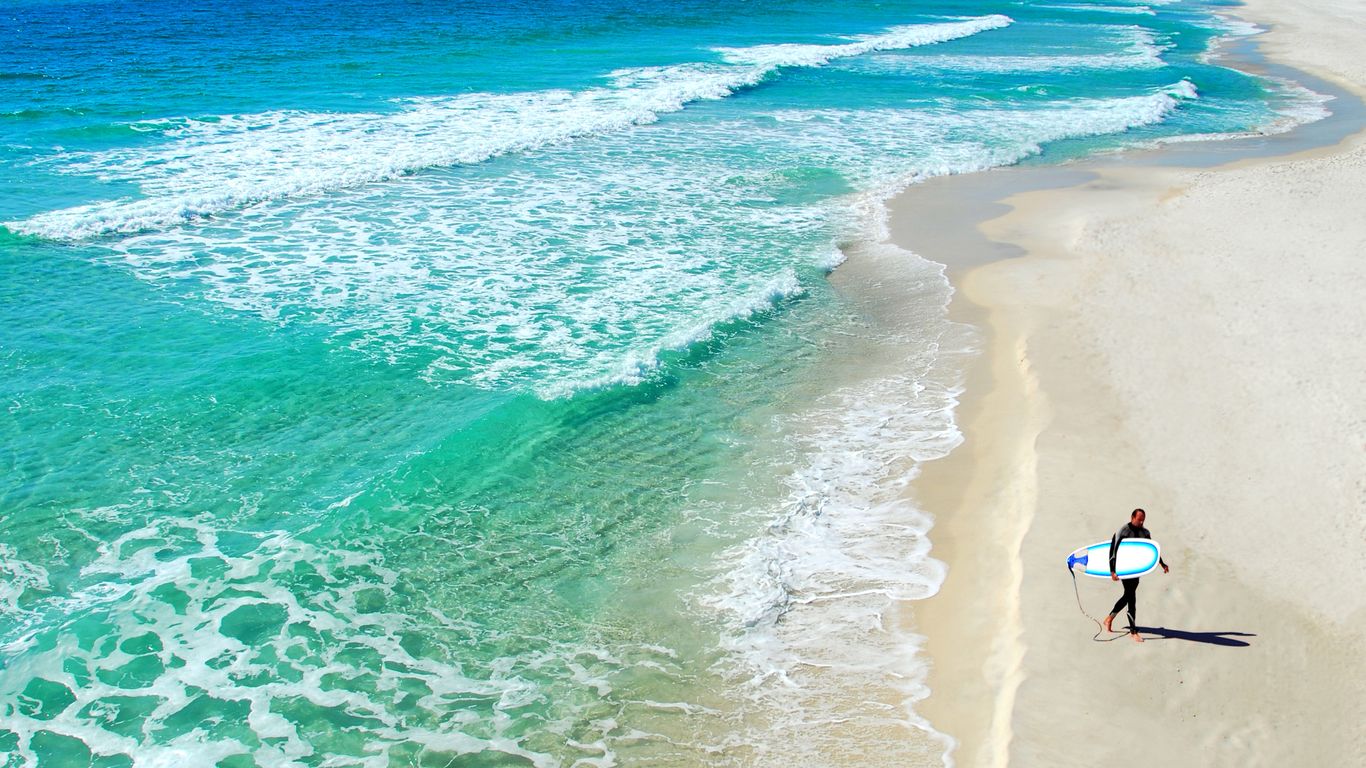
Within a few months of living in Pensacola, the beach stops being a destination and becomes a backdrop. You go when you feel like it, not when you've planned a trip to it. You stop for 20 minutes on the way home. You take your coffee there on a Saturday morning. The fact that you live near one of the most beautiful beaches in the world becomes quietly, unremarkably wonderful.
This normalization is one of the things people love most about life here. The beach never stops being beautiful — you just stop treating it as a special occasion.
You Learn to Eat Well Without Trying Hard
The Gulf seafood situation in Pensacola is genuinely special. Fresh grouper, shrimp from local waters, oysters from nearby Apalachicola, amberjack, triggerfish — this seafood is available at local restaurants and seafood markets at prices that reflect local sourcing, not premium tourist markup.
People who move here and enjoy cooking find themselves eating better, for less money, with less effort than almost anywhere else they've lived. This sounds like a small thing until you've lived it for six months.
Neighbors and Community Happen Organically
Pensacola has a neighborliness that larger cities have largely lost. People introduce themselves. Neighbors share produce from gardens, wave from porches, and look out for each other. Block parties happen. The culture of looking out for neighbors intensifies during hurricane season — when a storm approaches, the community prep is collective and genuine.
This doesn't mean everyone becomes your best friend. It means there's a social fabric here that most American cities of comparable size have lost. New residents who engage with it — who show up, introduce themselves, and participate — build community here faster than they expected.
You Become an Outdoor Person (If You Weren't Already)
The lifestyle infrastructure here nudges you toward outdoor activity in a way that sneaks up on you. The parks, the water access, the fishing piers, the trails, the kayak launches — they're everywhere and they're good. People who didn't think of themselves as "outdoorsy" find themselves paddling a kayak on a Tuesday evening six months after moving here.
The mild fall through spring climate removes most of the excuses for not being outside. When it's 72 degrees and clear on a Thursday afternoon, staying inside feels like a choice you need to justify.
Hurricane Season Becomes a Managed Reality
In your first hurricane season, you'll probably be more anxious about it than you will in subsequent years. That's normal. You're learning a new set of risks, a new vocabulary (eye wall, storm surge, Category 3), and a new set of responsibilities.
By your second or third season, the prep routine becomes second nature. You know your kit. You know your zone. You've been through watches and warnings without a direct hit (in most years) and you've developed the calm, practical relationship with storm season that all Gulf Coast lifers eventually reach.
It never becomes zero concern. But it becomes a managed, normalized part of Gulf Coast life rather than a source of ongoing anxiety.
What Surprises People Most About Year-Round Life
After helping many families relocate to Pensacola, a few themes come up consistently when we ask what surprised them about year-round life:
"I thought I'd miss the city more than I do." People who move from major metros often expect to feel the absence of urban density more acutely. Many are surprised to find that what they thought they needed — constant options, urban energy, the sense that something was always happening — turns out to be less essential than they believed. The quality-of-life replacement that Pensacola offers — outdoor access, community, pace, financial breathing room — fills the space in ways they didn't predict.
"The summers are harder than I expected — and shorter than I feared." Almost everyone underestimates the first summer heat. And almost everyone discovers that the season passes faster than the anticipation of it suggested, and that October feels like an even better reward for having survived it.
"The community happened faster than I expected." People worry about feeling like outsiders in a city with deep roots. Most find that Pensacola is genuinely welcoming to new residents who show up with openness rather than comparison. The military community in particular has infrastructure for welcoming newcomers that most civilian communities lack.
"I stop taking the beach for granted — but differently than I expected." Most people expect to either take the beach for granted (it becomes background) or never take it for granted (perpetual vacation feeling). The reality is different: you become genuinely casual about going to the beach the way you'd be casual about going to a neighborhood park — it's accessible and familiar, but it never stops being beautiful.
Is Year-Round Life in Pensacola for You?
The people who thrive in Pensacola year-round tend to share a few traits:
- They value outdoor access and build their lives around it
- They're comfortable with a slower pace that leaves room for actual living
- They have the financial picture that lets them enjoy what the city offers — whether that's through local employment, remote work, military, or retirement income
- They came with realistic expectations about summer and hurricane season
- They engage with community rather than observing it from a distance
The people who struggle tend to:
- Miss the density and constant stimulation of major urban environments
- Resist adapting their outdoor schedule to the summer heat
- Never quite connect with the local community
- Spend too much mental energy cataloging what Pensacola isn't rather than discovering what it is
Year-round life here is genuinely excellent — but it's a specific kind of excellent. Knowing whether it fits who you are before you move is the best gift you can give yourself.
Want to Know What Your Daily Life Would Look Like Here?
Sean and Shaunda Killingsworth don't just sell homes in Pensacola — we live here, raise families here, and know what daily life in this community looks and feels like across every season. If you want an honest conversation about whether year-round life in Pensacola fits what you're looking for, we'd love to talk.
Sean & Shaunda Killingsworth
Engel & Völkers Pensacola
190 South Jefferson Street, Pensacola, FL 32502
📞 +1 850-332-2457
✉️ killingsworthhomes@gmail.com
🌐 movingtopensacolabeach.com
If you're relocating to Northwest Florida, let's talk.
Categories
Recent Posts